How a High-Speed Blender Works & Buying Guide
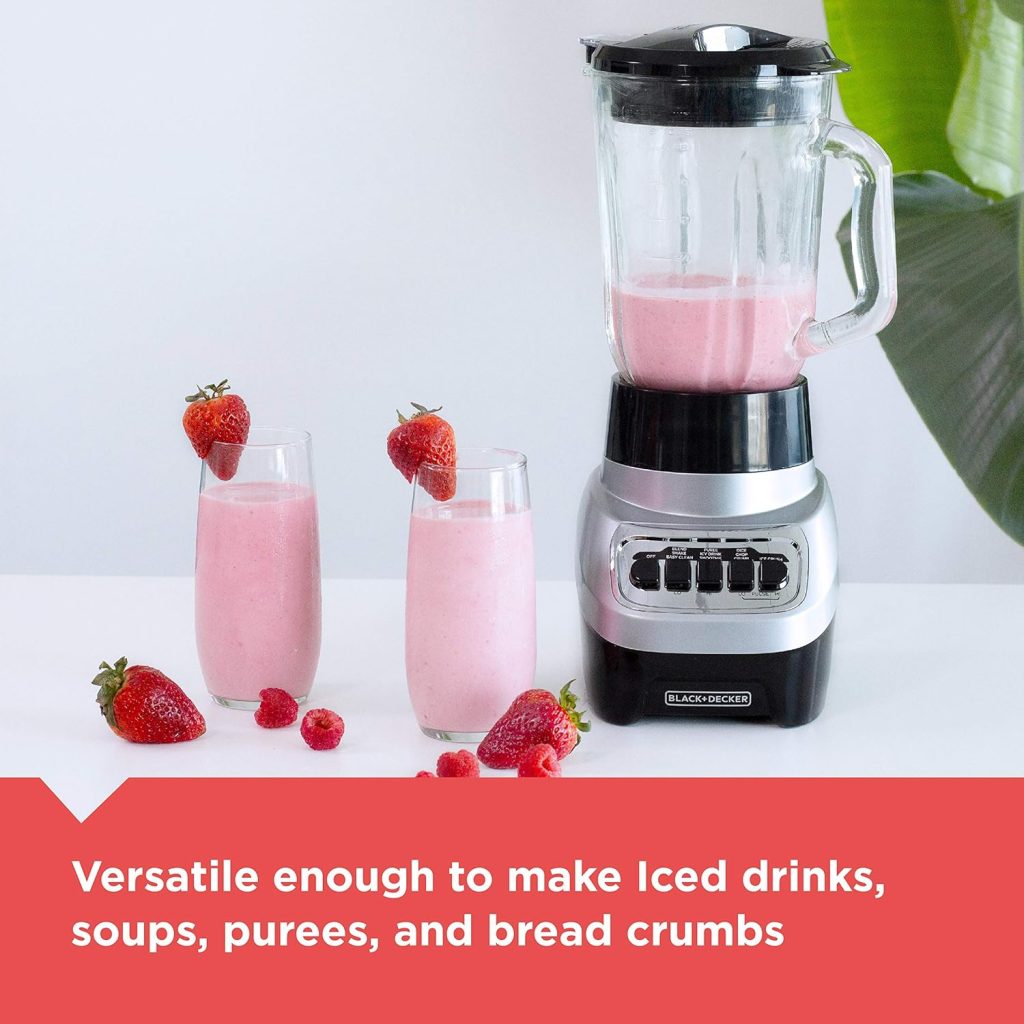
High-speed blenders (often called “cell-wall breaking” machines) are favored for their powerful motors and pulverizing capabilities, which break down plant cell walls to release deeper nutrients. Below is a comprehensive guide to their working principles and how to choose the right one.
1. Working Principle
The core of a high-speed blender lies in the synergy between high velocity, high torque, and multi-angled blades.
-
Physical Cell-Wall Breaking: These machines typically feature motors spinning at over 20,000 RPM. The high-speed rotation creates massive impact and shear forces that instantly shatter cell walls (primarily cellulose and pectin), making proteins, vitamins, and minerals more bioavailable.
-
Micron-Level Pulverization: Unlike traditional juicers, there is no need to filter out pulp. These blenders can grind grains, nuts, and even fish bones into a micron-level smoothness, ensuring a silky texture and “whole food” nutrition.
-
Multi-Functional Integration: Modern units often include heating elements, allowing you to cook soy milk or hot soups directly in the pitcher via a heating plate at the base.
2. Buying Guide: How to Choose the Right One
When shopping, focus on these core specifications:
Motor Performance (Speed & Power)
-
Speed: An ideal range is between 22,000 and 45,000 RPM. Too low results in a gritty texture; too high leads to excessive noise and motor overheating.
-
Power: Look for a blending power of at least 800W to 1200W. Higher power handles hard ingredients (like dried beans or ice) more effectively.
Blade Structure
-
Material: Prioritize 304 or 301 stainless steel for high hardness and corrosion resistance.
-
Shape: Common designs include 4, 6, or 8-leaf blades. More blades aren’t always better—the key is multi-dimensional arrangement (combining blunt and sharp edges) to both cut fibers and smash hard solids.
Pitcher Material
-
High Borosilicate Glass: Heat-resistant, easy to clean, and does not retain odors. This is the standard for blenders with heating functions.
-
Tritan (Copolyester): BPA-free, lightweight, and shatterproof. Usually found in professional-grade “non-heating” quiet blenders.
Noise Level (A Common Pain Point)
High-speed blenders can be very loud. Look for models with a sound-proof cover (shield) or “soft-sound” technology, which can reduce noise from 90 decibels down to a more manageable 60–70 decibels.
Ease of Cleaning
-
Choose models with a “One-Click Self-Cleaning” function.
-
Some high-end models feature detachable blades or ceramic non-stick coatings on the base to prevent scorching and make manual cleaning easier.
3. Recommended Reference
If you are looking for a high-performance blender with excellent durability and user reviews, you can check out popular models via the link below:
👉 View Recommended High-Speed Blenders
4. Pro Tips
-
Audience Needs: If making baby food or meals for seniors, prioritize models with superior noise reduction and the finest pulverization.
-
Kitchen Layout: These machines are often heavy and tall. Before buying, ensure there is enough clearance between your countertop and upper cabinets.