Cold-Pressed Juice Benefits vs. Sugary Drinks Side Effects + Juicer Buying Guide
I. Core Benefits of Cold-Pressed / Slow-Masticating Juice
-
Preserved Nutrition & Higher Bioavailability
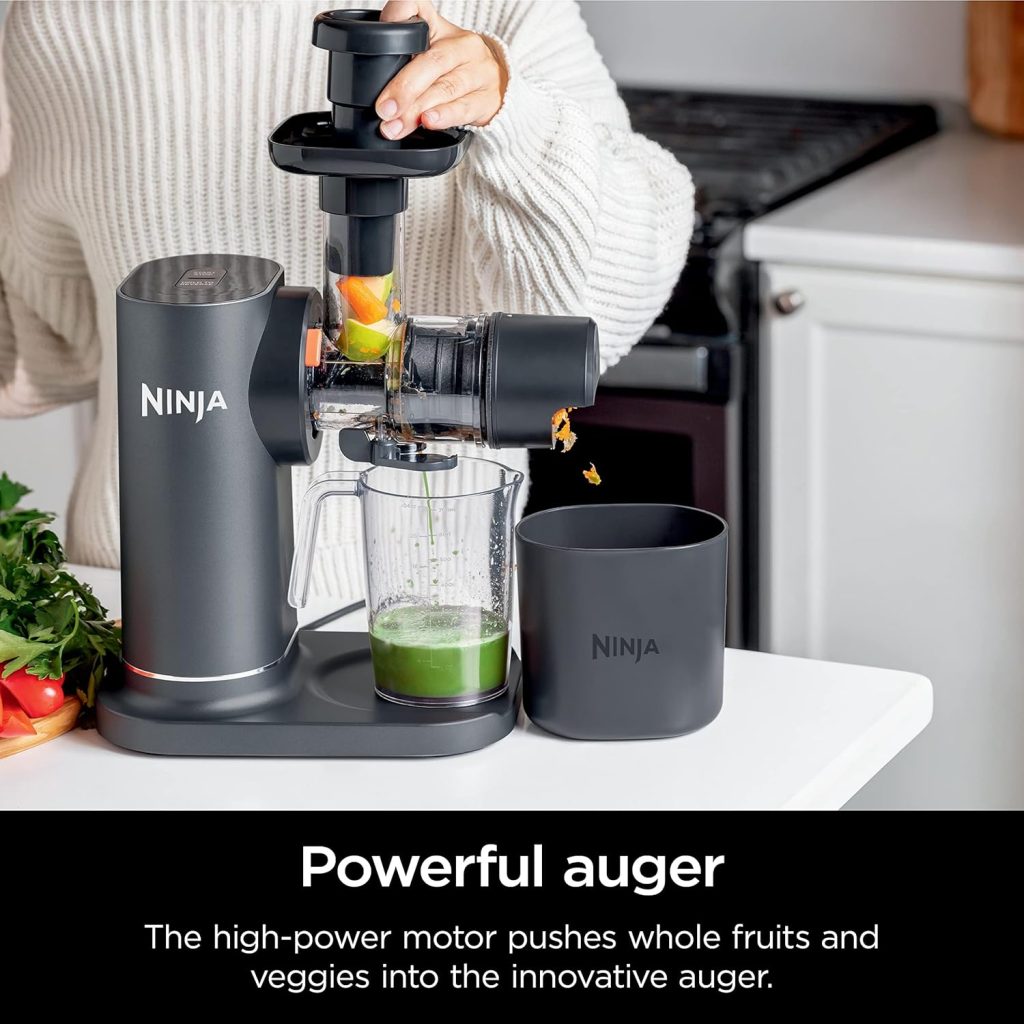
Cold press technology uses a slow-rotating screw (40-80 RPM) to crush ingredients without generating heat. This prevents the oxidation of delicate enzymes, vitamins, and minerals, ensuring your body absorbs maximum nutrients.
-
Adjustable Dietary Fiber
Unlike store-bought juice, you can control the pulp level. High fiber content aids digestion, regulates blood sugar, and keeps you fuller for longer.
-
Zero Additives, Zero Preservatives
100% pure fruit and vegetable extraction. No added sugars, artificial flavors, or synthetic colors—significantly reducing the metabolic burden on your liver and kidneys.
-
Hydration + Antioxidant Boost
Rich in anthocyanins and Vitamin C, daily consumption helps combat free radicals, improves skin radiance, and strengthens the immune system.
-
Weight-Loss Friendly
Lower in calories than processed sodas or “juice drinks,” making it the perfect companion for keto, low-carb, or sugar-controlled diets.
II. The Hidden Dangers of Commercial Soft Drinks
-
Sugar Overload: High fructose corn syrup leads to obesity, insulin resistance, and increased risk of gout.
-
Chemical Additives: Preservatives and artificial dyes can stress your detoxification organs over time.
-
“Empty Calories”: Most sodas lack essential nutrients, providing only a spike in blood sugar followed by a “crash.”
-
Digestive Irritation: Carbonation and high acidity can trigger acid reflux, bloating, and stomach discomfort.
III. Juicer Buying Guide (A Homeowner’s Handbook)
1. The Comparison: Cold Press vs. Centrifugal
| Feature | Cold Press / Slow Masticator (Recommended) | Centrifugal Juicer |
| Principle | Slow screw extrusion | High-speed blade spinning |
| RPM | 40 – 100 RPM | 10,000 – 30,000 RPM |
| Nutrients | ★★★★★ (Maximum retention) | ★★☆☆☆ (Heat oxidation) |
| Yield | ★★★★☆ (Bone-dry pulp) | ★★★☆☆ (Wet pulp) |
| Noise | ★★☆☆☆ (Whisper quiet) | ★★★★★ (Very loud) |
| Best For | Health enthusiasts, daily users | Occasional use, speed seekers |
2. 5 Key Factors to Consider
-
Feeding Chute Size: Look for 3-5 inch (7-11cm) wide mouths. This allows for whole apples or carrots, saving prep time and reducing oxidation.
-
Extraction Efficiency: A multi-stage auger design ensures the highest juice yield. If the pulp is damp, the machine is inefficient.
-
Ease of Cleaning: This determines how often you’ll actually use it. Prioritize dishwasher-safe parts and “screenless” or easy-to-brush filters.
-
Material Safety: Ensure all food-contact parts are BPA-Free (Tritan) and use 304 Stainless Steel.
-
Stability & Torque: A high-torque motor prevents jamming when juicing tough greens like celery or ginger.
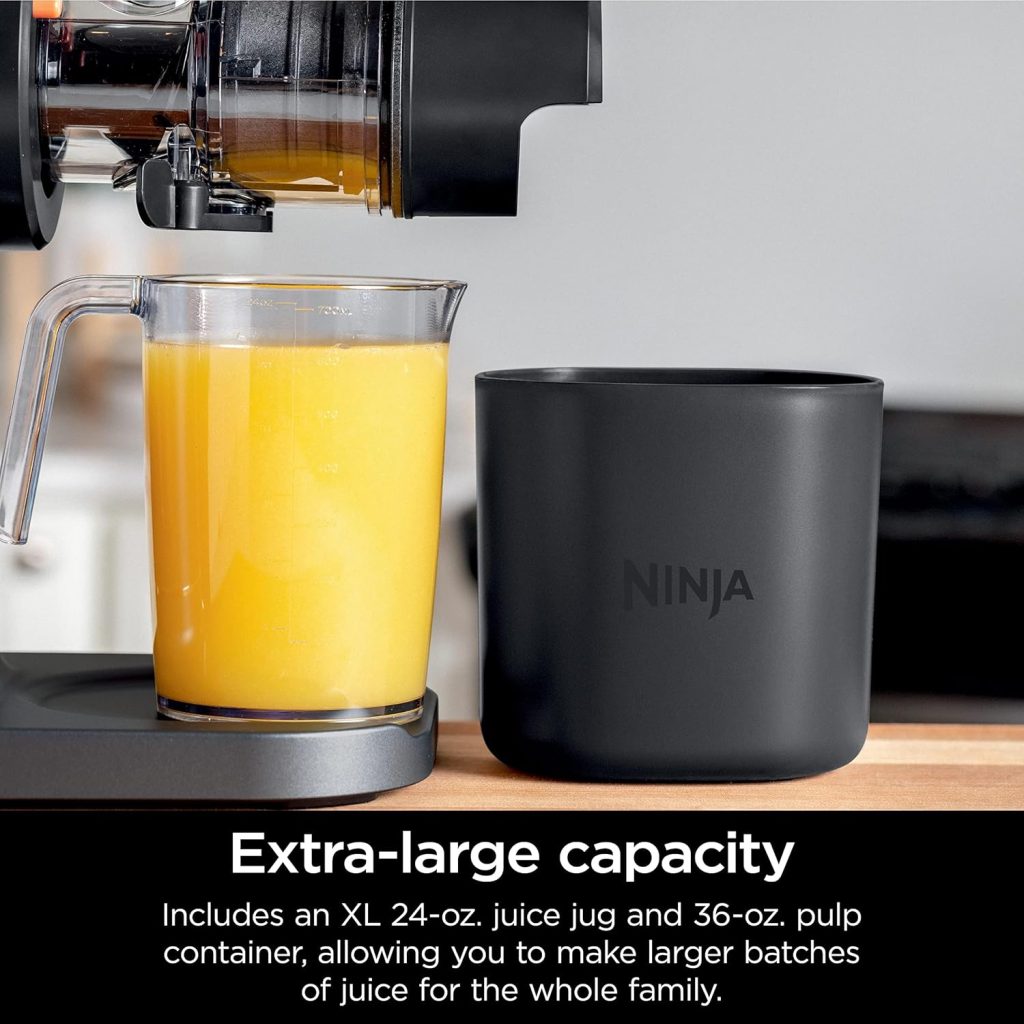
3. Top Pick: Ninja JC151 Cold Press Pro
-
High-Torque Motor: Effortlessly handles tough root vegetables without stalling.
-
Dual Filters: Switch between “Low Pulp” and “Lots of Pulp” for customized texture.
-
Compact & Easy-Clean: Easy to assemble/disassemble; all parts are a breeze to rinse.
-
Direct Link: https://amzn.to/48ULSkN
IV. Frequently Asked Questions (FAQ)
Q: Can I juice everything?
A: No. Avoid “mushy” fruits like bananas, avocados, or mangoes (they produce puree, not juice). Also, never put frozen ingredients or ice in a masticating juicer unless it has a specific attachment.
Q: Should I peel and de-seed?
A: Thin skins (apples, grapes) are fine. Thick or bitter rinds (oranges, lemons) must be peeled. Always remove hard pits (cherries, peaches) to avoid breaking the internal screw.
Q: How long does the juice last?
A: Cold-pressed juice stays fresh for up to 72 hours in a sealed container in the fridge. Conventional centrifugal juice should be consumed within 30 minutes due to rapid oxidation.
Q: Any tips for cleaning?
A: Pro-tip: Rinse the parts immediately after juicing. Once the fruit sugars dry and harden, they become much harder to scrub off.

发表评论