Mountain Bike Buying Guide: From Beginner Basics to Perfect Fit
Mountain bikes are a popular choice for casual riding and outdoor exploration thanks to their excellent all-terrain capabilities. Whether you’re cruising park trails, country dirt roads, or light off-road routes, the right mountain bike can deliver a smooth, fun experience. But with so many styles and specs on the market, many new riders fall into common pitfalls. This guide breaks down key buying factors based on riding needs, with a high-value model recommendation to help you find your perfect match.
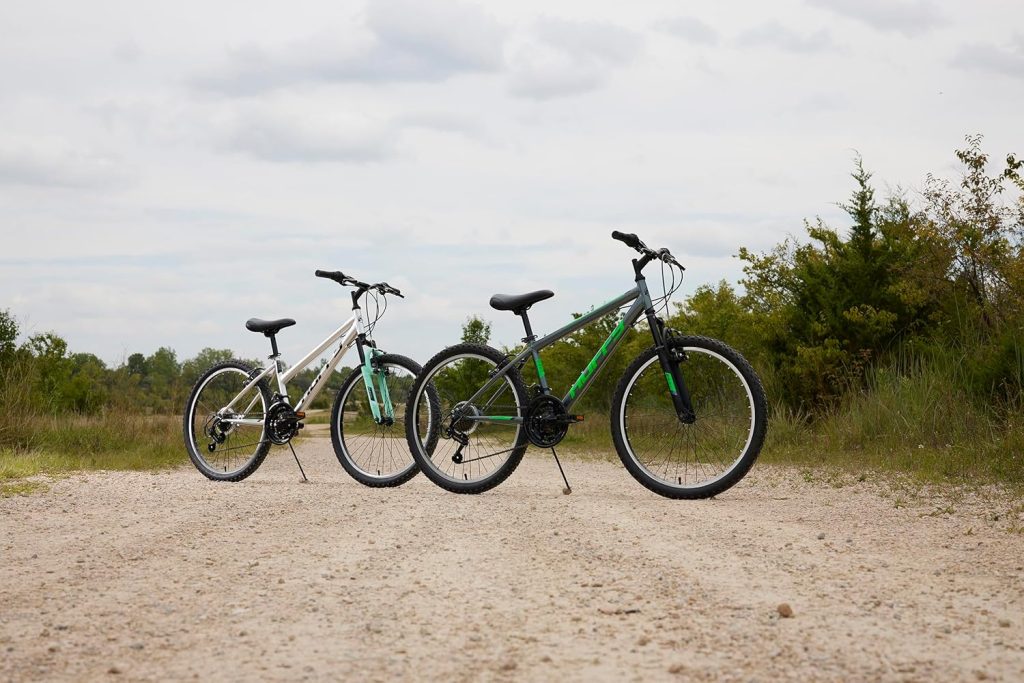
Step 1: Define Your Riding Needs to Set Your Direction
The core rule of buying a mountain bike is matching your needs. Different scenarios and riders require completely different setups—chasing high-end specs blindly only wastes performance.
- Beginner / Daily Casual Riding: For city commuting, park rides, and flat country dirt roads, prioritize simple, affordable, and comfortable basic models. A front suspension bike with 6–21 speeds is more than enough; no need for professional off-road parts.
- Light Off-Road / Outdoor Exploration: For gravel roads, gentle slopes, and forest paths, look for better handling and shock absorption. Choose a 21-speed or higher drivetrain, front (or mild dual) suspension, and wide grippy tires.
- Professional Off-Road / Mountain Racing: For steep slopes, rocky terrain, and downhill riding, you’ll need a professional-grade frame, full suspension, high-end shifting, and powerful brakes. These are expensive and intended for experienced riders.
Also match wheel and frame size to your height: kids/teens usually fit 20–24″ wheels, while adults use 26″ and above. Proper sizing ensures control, comfort, and safety, avoiding fatigue or hazards from an ill-fitting frame.
Step 2: Understand Key Components & Specs
A mountain bike’s performance depends on five core parts: frame, gears, suspension, wheels, and brakes. Beginners don’t need top-tier parts—focus on practicality and durability.
Frame: The Foundation of the Bike
The frame defines stability, durability, and weight. Three main materials:
- High-tensile steel: Affordable, strong, and wear-resistant—ideal for beginners and daily use. Slightly heavier but perfect for entry-level bikes.
- Aluminum alloy: Lighter, corrosion-resistant, and well-balanced. About 30% lighter than steel; the top choice for mid-range mountain bikes.
- Carbon fiber: Ultra-light, responsive, and smooth-riding. Used on high-end professional models but expensive and less impact-resistant—not recommended for new riders.
General frame size guide:
- 14″ for riders under 155cm
- 16″ for 155–170cm
- 18″ for over 170cm
Always test-ride if possible to check standover height and reach comfort.
Drivetrain / Gears
Gears determine efficiency on hills and flats. Focus on speed count and brand reliability.
- Speed levels: 6-speed for flat terrain and kids; 21-speed+ offers more range for climbing, descending, and cruising—standard for adult casual and light off-road riding.
- Top brands: Shimano is trusted across entry to pro levels, with smooth shifting and strong durability.
Suspension
Suspension absorbs bumps and improves control.
- Front suspension only: Simple, lightweight, low-maintenance, and ideal for entry-level riding on trails and gravel.
- Dual suspension (front + rear): Better for serious off-roading but heavier, pricier, and adds resistance on pavement—overkill for most daily riders.
Wheels & Brakes
- Wheels & Tires: Choose wheel size based on height. 1.95″ or wider all-terrain knobby tires work well for pavement, dirt, and gravel. Aluminum rims are lightweight and durable.
- Brakes: V-brakes are reliable, easy to maintain, and budget-friendly for beginners. Disc brakes offer stronger, more consistent stopping in wet or muddy conditions if you ride downhill often.
Step 3: Recommended High-Value Beginner Model
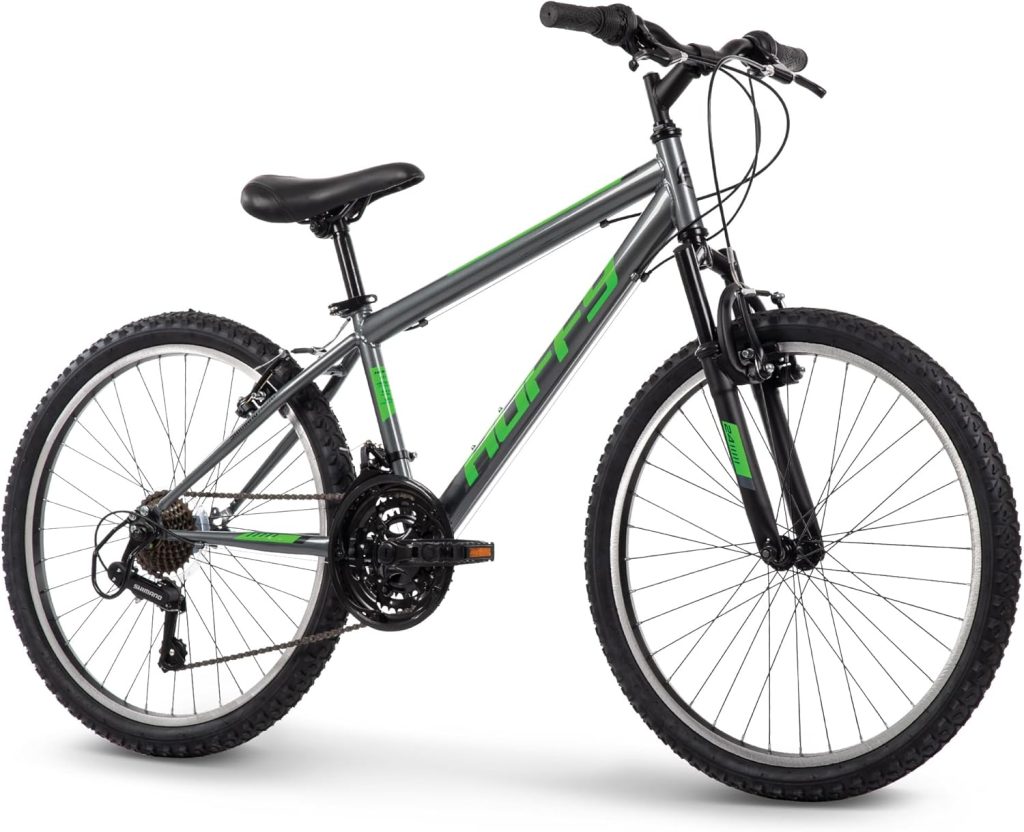
For new riders and family use, you don’t need an expensive pro-level bike. A practical, durable, budget-friendly entry model works best. The Huffy Stone Mountain Mountain Bike (https://amzn.to/4sjMK9I) is an excellent choice, with these strengths:
- Multiple sizes for all ages: Available in 20″, 24″, and 26″ wheels. 20″ (6-speed) for kids/teens; 24/26″ (21-speed Shimano) for adults.
- Practical specs for real-world riding: Sturdy steel frame, front suspension, and 1.95″ all-terrain tires handle park trails, dirt roads, and light off-road with ease.
- Comfortable & easy to assemble: Padded adjustable seat, user-friendly design, and partial assembly with tools and instructions included.
- Trusted brand & great value: Huffy is a historic American brand with stable quality and a limited lifetime frame warranty. Highly rated by thousands of customers, making it one of the most popular entry-level mountain bikes.
Minor common feedback includes a firm stock seat and basic plastic pedals—both can be upgraded affordably for better comfort.
Step 4: Buying Mistakes to Avoid
- Don’t choose based only on looks: Prioritize frame, gears, suspension, and brand reputation over color and design. No-name cheap bikes often have poor shifting, weak frames, and no support.
- Test-ride when you can: If buying online, try the model in-store first to check comfort and handling.
- Check accessories & warranty: Look for included extras like kickstands and assembly tools, and confirm warranty coverage.
- Avoid over-upgrading: Ride first, then upgrade parts like the seat, pedals, or grips based on personal preference.
Conclusion
The key to choosing a mountain bike is matching your needs with practical specs. Beginners don’t need professional equipment—focus on your riding style and a well-fitted, reliable entry model.
For casual riding, family use, or new riders, the Huffy Stone Mountain (https://amzn.to/4sjMK9I) stands out with versatile sizing, great value, and solid quality.
Riding is about enjoying the outdoors. The right bike lets you move freely between city and nature, making every trip enjoyable. Find your perfect fit and start riding.


发表评论