2026 Portable Power Station (PPS) Guide: Usage Scenarios & Buying Tips
As we move into 2026, the global Portable Power Station (PPS) market has evolved from simple “oversized power banks” into intelligent, LiFePO4-driven, and eco-centric energy hubs. In international markets—particularly North America, Europe, and Australia—usage scenarios have become highly specialized and mature.
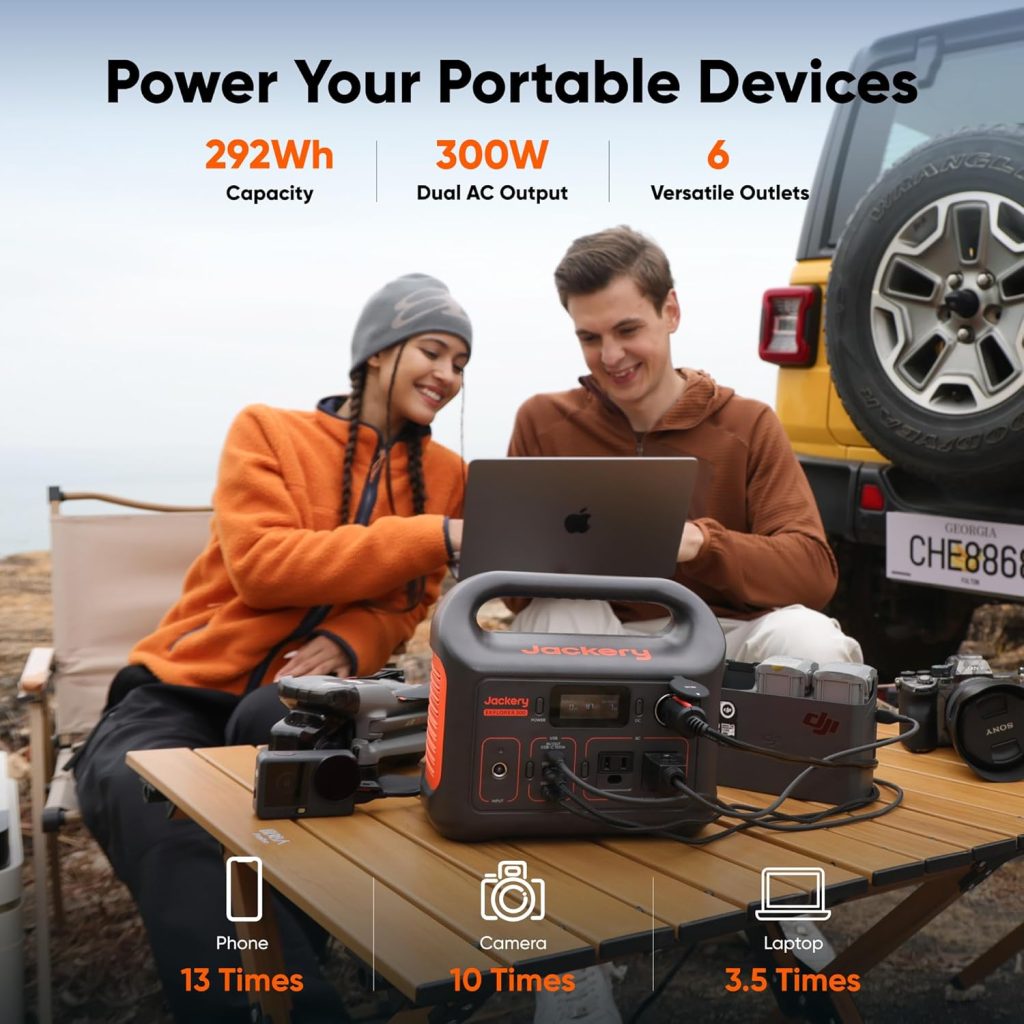
Below is a comprehensive guide to usage scenarios and purchasing strategies for 2026.
I. Four Core Usage Scenarios in 2026
1. Camping & Overlanding
-
Applications: Powering car fridges, electric cookers, coffee makers, and charging drones or DSLRs.
-
2026 Trend: Brands like Anker and Jackery have launched integrated designs (e.g., built-in lighting or micro-mosquito repellents), prioritizing lightweight builds for solo portability. For instance, the high-performance Jackery Explorer 1000 v2 has become a top choice for road-trip enthusiasts due to its reliability.
2. Off-grid Living & Digital Nomadism
-
Applications: Working from forests or beaches via Starlink.
-
2026 Trend: Support for PD 3.1 protocols (140W+ USB-C output) is now standard, allowing users to power high-performance gaming laptops or workstations directly without bulky adapters.
3. Emergency Home Backup (ESS)
-
Applications: Preparing for blackouts caused by extreme weather.
-
2026 Trend: Modular power systems from EcoFlow and Bluetti (expandable battery packs) are trending. Capacities in the 3kWh–5kWh range are sufficient to keep refrigerators and critical medical devices (CPAP) running for several days.
4. Professional & Commercial Outdoor Use
-
Applications: Powering high-wattage tools for photography teams, mobile vendors, or small construction crews.
-
2026 Trend: A surge in “rugged” models featuring IP65/67 water and dust resistance to withstand harsh environments.
II. Buying Guide 2026: Five Critical Dimensions
1. Battery Chemistry: Demand LiFePO4
-
Advice: Unless you prioritize extreme light weight above all else, LiFePO4 (Lithium Iron Phosphate) is mandatory.
-
Reason: By 2026, the industry standard is 3,000–4,000 cycles to 80% capacity—lasting 5–7 times longer than traditional NCM batteries with significantly higher fire safety.
2. The Golden Ratio: Capacity (Wh) vs. Power (W)
-
Mini (300Wh – 500Wh): Best for short picnics and charging phones/laptops.
-
Mainstream (1000Wh – 1500Wh): The “Sweet Spot” for camping. In this category, the Jackery Explorer 1000 v2 stands out with its 1500W rated output and 1kWh capacity, capable of running 90% of common household appliances.
-
Large (2000Wh+): Best for RVs, home backup, or heavy off-grid use exceeding 2 days.
3. Recharging Speed
-
Wall Charging: Premium 2026 models should support a full AC charge in under 1.5 hours.
-
Solar Input: Look for high MPPT efficiency. We recommend models supporting 400W–800W solar input for true energy independence.
4. Intelligence & Ecosystem
-
App Control: Standard features now include Bluetooth/Wi-Fi for remote monitoring and switching.
-
Voltage Boosting: Technologies like EcoFlow’s X-Boost allow smaller units to drive high-wattage appliances by intelligently lowering power delivery rather than tripping the circuit.
5. Warranty & Support (Crucial)
-
Local Support: For international buyers, prioritize brands with local warehouses and service centers (e.g., Jackery, EcoFlow, Anker).
-
Warranty: Top-tier brands in 2026 typically offer a 5-year warranty.
III. 2026 Top Recommended Models (International Favorites)
| Brand/Model | Positioning | Key Advantage |
| Jackery Explorer 1000 v2 | Best All-Rounder | Upgraded LiFePO4, 1500W Output, Ultra-Fast Charging |
| Bluetti Elite 200 v2 | Flagship | Exceptional lifespan and industrial-grade build quality |
| EcoFlow Delta Pro 3 | Heavy Duty | Extreme scalability; can integrate into home panels |
| Anker Solix C1000 | Performance King | 0-100% in 49 minutes; excellent volume-to-power ratio |
| DJI Power 2000 | Photography | Optimized for fast-charging DJI drone batteries |
IV. Pro Tips
-
Plug Standards: Always verify the voltage (110V/60Hz for US/Canada, 230V/50Hz for EU/UK/AU) and socket types before purchasing.
-
Safety Certifications: Ensure the unit is UL 2743 or CE certified. This is essential for insurance compliance and safe operation.
Summary: Portable power technology has reached peak maturity in 2026. Base your choice on your most frequent needs. Avoid over-buying capacity; a portable and high-density unit is often the one you’ll actually end up using the most.


发表评论